Manaslu Circuit Trek
A 15-day restricted-area trek around the eighth-highest mountain in the world, crossing the remote Larkya La Pass (5,160m) along the Nepal-Tibet border with far fewer trekkers than the classic circuits.
- Duration 15 Days
- Difficulty Strenuous
- Group Size 12 People
- Max Altitude 5160m
- Region Manaslu
Overview
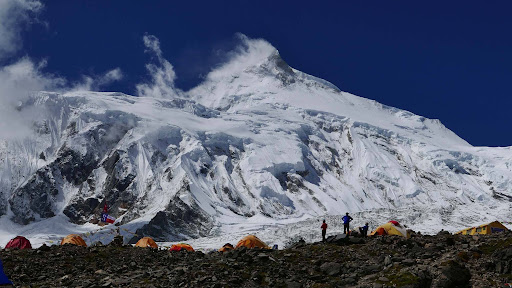
Exploring one of Nepal's most untouched regions, the Manaslu Circuit Trek (also known as the Larkya La Pass Trek) is emerging as one of the country's most extraordinary trekking experiences. Nestled in the heart of Gorkha, the trail provides breathtaking panoramic Himalayan vistas of Mount Manaslu and its surrounding peaks, with a perfect synergy of stunning landscapes, cross-cultural exchange, and limited footfall.
The trek follows the Nepal-Tibet border up to the Larkya La Pass at roughly 5,160m, offering a close view of the eighth-highest mountain in the world along with Kanguru, Himlung, Cheo, Lamjung, and Annapurna II. Throughout the route, trekkers also see Shringi Himal, Naike Peak, Larke, Simnang, Ganesh Himal, and Ngadi Chuli.
Beginning in Kathmandu with a scenic drive to Machha Khola via Soti Khola, the trail follows the Budi Gandaki River through villages like Jagat, Deng, Ghap, Lho, and Samagaon, with a detour possible to Manaslu Base Camp. Prayer flags, monasteries, and waterfalls immerse trekkers in Buddhist culture along the way, though the trail's steep uphills and limited infrastructure make for a genuinely challenging journey.
After acclimatizing at Samagaon, the route climbs through Samdo and Dharmasala across desert-like high terrain to Larkya La Pass, rewarding trekkers with panoramas of snow-capped peaks and high-altitude glacier lakes. The descent through Bimthang, Tilije, and Gurung villages leads to Dharapani, where the trail joins the Annapurna Circuit route before the drive back to Kathmandu.
Itinerary
-
Day 1 Arrival in Kathmandu
Arrive at Tribhuvan International Airport and transfer to the hotel. Evening trek briefing.
-
Day 2 Drive to Machha Khola
A scenic, bumpy private 4WD drive via Soti Khola, following the road as far as it goes before the trail begins.
-
Day 3 Trek to Jagat
Follow the Budi Gandaki River through demanding uphill and downhill sections, entering the Manaslu Conservation Area.
-
Day 4 Trek to Deng
Continue along the Budi Gandaki gorge, passing Ghatta Khola and Deng Khola on the way to the village of Deng.
-
Day 5 Trek to Namrung
A long day climbing steep, zigzagging ridges along the Budi Gandaki River and subtropical forest to Namrung.
-
Day 6 Trek to Lho
A shorter day through Lihi and Sho Gaun to Lho, marked by a long stone mani wall and mountain views.
-
Day 7 Trek to Samagaon
Pass through Shyala village, a fine viewpoint for Mount Manaslu, before reaching the memorable village of Samagaon.
-
Day 8 Acclimatization Day at Samagaon
Rest day with an optional hike to Birendra Lake and Manaslu Base Camp for a close-up view of the mountain.
-
Day 9 Trek to Samdo
Cross a suspension bridge into juniper and birch forest en route to Samdo, the last permanent settlement before the pass, close to the Tibetan border.
-
Day 10 Trek to Dharmasala
A short but steady climb through the Salka Khola valley to Dharmasala (Larke Phedi), the staging point for the pass crossing.
-
Day 11 Cross Larkya La Pass to Bimthang
The trek's biggest day: an early start to cross Larkya La Pass (5,160m) for panoramic views of Manaslu, Kanguru, Himlung, and Annapurna II, then a long descent to Bimthang.
-
Day 12 Trek to Gho
Descend through fig trees and rhododendron forest via Tilije, entering Gurung country as the trail continues toward the Annapurna Circuit route.
-
Day 13 Trek to Dharapani
A short final trekking day to Dharapani, where the Manaslu Circuit joins the Annapurna Circuit route.
-
Day 14 Drive to Kathmandu via Besisahar
A long private vehicle transfer back to Kathmandu, retracing the Marsyangdi valley road via Besisahar.
-
Day 15 Final Departure
Transfer to the airport for departure.
Cost Details
What’s Included
- Kathmandu–Machha Khola and Dharapani–Kathmandu private jeep/car transfers
- Guided city tour of Kathmandu
- All local taxes and entry fees
- Airport pick-up and drop-off by private vehicle
- Hotel accommodation in Kathmandu with breakfast, 5-star standard, twin-sharing
- Porter service, including insurance
- Teahouse/guesthouse accommodation during the trek
- English-speaking licensed trekking guide, including salary, insurance, meals, and accommodation
- Manaslu Restricted Area Permit (MRAP), Manaslu Conservation Area Permit (MCAP), and Annapurna Conservation Area Permit (ACAP)
- Full board meals (breakfast, lunch, dinner with tea/coffee) during the trek
What’s Excluded
- International airfare to and from Nepal
- Nepal visa fee
- Cold beverages and other personal expenses
- Tips for guide and porter
- Personal travel and trekking insurance
Highlights
- Buddhist culture: Prayer flags, monasteries, and Tibetan-influenced Nubri villages along the upper trail.
- Manaslu Base Camp: An optional detour from Samagaon for an up-close view of the eighth-highest mountain in the world.
- Budi Gandaki River valley: A dramatic gorge trail through Jagat, Deng, Ghap, and Lho villages.
- Restricted-area solitude: Controlled tourism keeps this trail far quieter than the Everest and Annapurna circuits.
- High-altitude glacier lakes: Picture-perfect alpine scenery on the approach to and descent from the pass.
- Annapurna Circuit connection: The trail joins the Annapurna Circuit route at Dharapani for a satisfying finish.
- Larkya La Pass: Cross this remote 5,160m pass along the Nepal-Tibet border for close-up views of Mount Manaslu.
- Birendra Lake: A glacial lake near Samagaon, reachable on the acclimatization day.
Why Choose This Trek
- A genuine 8,000m encounter: Close views of Mount Manaslu without technical climbing skills.
- Responsible tourism: Controlled access supports local communities and limits over-tourism impact.
- Full support included: Guide, porter, and all three required permits arranged throughout.
- Comfortable bookend stays: 5-star Kathmandu hotel and a guided city tour before or after the trek.
- Two cultures in one trek: Tibetan-influenced Nubri villages give way to Gurung culture near Dharapani.
- Untouched and uncrowded: A restricted-area trail with a fraction of the foot traffic of Everest or Annapurna.
Essential Information
Spring (March–May) and autumn (September–November) offer the clearest conditions for crossing Larkya La. Winter brings heavy snow and possible pass closure; monsoon (June–August) brings landslide risk to the lower Budi Gandaki gorge sections.
Rated strenuous. Around 3–9 hours of walking per day, reaching 5,160m at Larkya La Pass. The trail is remote and less developed than the Everest or Annapurna routes, with steep uphill sections and basic infrastructure. Good fitness and prior high-altitude experience are recommended.
Teahouse/guesthouse accommodation on a shared, twin-sharing basis throughout the trek, more basic than the Everest or Annapurna regions due to limited infrastructure, bookended by a 5-star hotel in Kathmandu.
Full board meals included during the trek — dal bhat, noodles, soups, and momos are common, with authentic Nepali and Tibetan dishes available in the upper Nubri villages. Vegetarian options are widely available at teahouses.
The Manaslu region is a restricted area. Solo trekking is not permitted — a minimum of two trekkers and a licensed guide from a registered agency are legally required, and no TIMS card is needed since the restricted area permit replaces it.
- Manaslu Conservation Area Permit (MCAP): Required for the protected area around the Manaslu massif
- Annapurna Conservation Area Permit (ACAP): Required for the descent through Bimthang and Dharapani, which falls within the Annapurna Conservation Area
- Manaslu Restricted Area Permit (MRAP): Checked at Jagat, Samdo, Samagaon, and Dharapani checkpoints
- Trekking poles: Recommended for the long descent from the pass to Bimthang
- Sleeping bag: Four-season rated bag, often provided by the trekking agency
- Rain/wind jacket: Windproof/waterproof outer layer and trekking pants
- Down jacket: Insulated jacket plus thermal base layers and warm gloves
- Sun protection: Sunglasses, sunscreen, and a reusable water bottle
- Personal kit: Personal medicines, altitude medication as advised by a doctor, and toiletries
- Trekking boots: Sturdy, broken-in boots with warm socks and gaiters for the pass crossing
- Headlamp: Essential for the early-morning Larkya La Pass crossing
Larkya La Pass at 5,160m is the trek's highest point. Acclimatization matters above 3,000m — drink 3–4 liters of water daily, walk at a steady pace, and watch for headache, nausea, and dizziness as early symptoms of altitude sickness. Discuss altitude medication with a doctor before departure.